Beats to Blockbusters: The Indie Producer's Roadmap to Sync Licensing Money
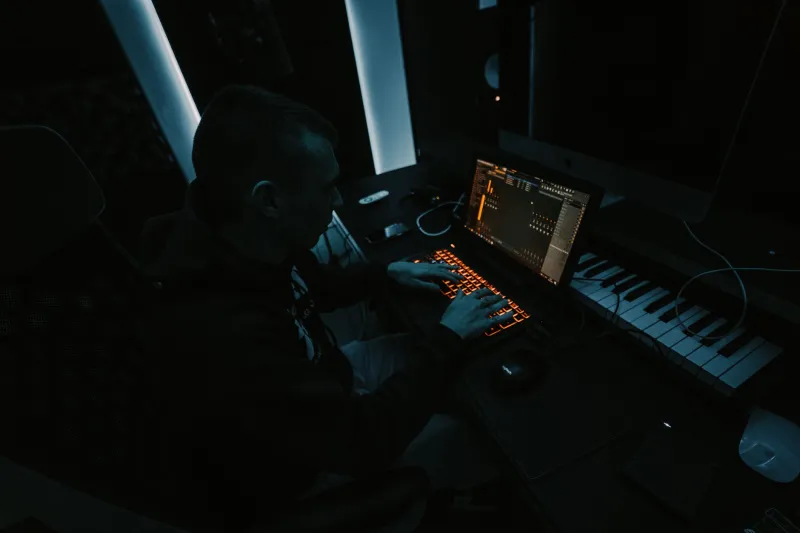
Let's be honest — the streaming royalty math is brutal. A million plays on Spotify might net you enough to cover a month of groceries. But one well-placed sync license? That same beat could fund your entire studio setup, pay your rent for six months, or become the foundation of a legitimate six-figure business. No hype, no label deal required.
Sync licensing — the process of placing your music in TV shows, films, commercials, video games, and streaming content — has exploded into a multi-billion dollar industry, and independent producers are finally getting a real seat at the table. If you've been sleeping on sync, this is your wake-up call.
What a Sync Deal Actually Looks Like
Before you start imagining your beat playing over a car commercial during the Super Bowl, it helps to understand the two-part structure of every sync deal.
First, there's the sync fee — a one-time payment for the right to use your music in a specific piece of content. This can range from a few hundred bucks for a small YouTube production to $50,000 or more for a major network TV placement or national ad campaign. The fee is negotiated upfront and paid regardless of how the content performs.
Second, there's the master license — this covers the actual sound recording itself. If you own your masters (which most indie producers do), you collect both the sync fee and the master fee. That's the double-dip scenario you want to be in. When a label owns the master, they take that cut. When you own it, it's all yours.
On top of those upfront fees, backend performance royalties kick in every time the licensed content airs on TV or streams on a platform that reports to PROs like ASCAP, BMI, or SESAC. A placement on a primetime network show can generate royalty checks for years.
Which Genres and Moods Are Actually Getting Placed
Not all music is created equal in the sync world. Music supervisors — the people responsible for selecting music for film and TV — are working against tight deadlines and very specific creative briefs. They need music that fits a mood instantly, without lyric conflicts or clearance headaches.
Right now, some of the most in-demand categories include:
- Cinematic and atmospheric instrumentals — think wide, emotional, tension-building tracks. True crime docs, drama series, and prestige streaming content eat this up.
- Upbeat, feel-good tracks — lifestyle brands, food commercials, and reality TV constantly need music that feels warm and accessible.
- Hip-hop and trap instrumentals — sports content, sneaker ads, and urban-focused campaigns have consistent budgets.
- Indie folk and acoustic — insurance companies, financial services, and family-oriented brands love this space.
- Lo-fi and chill beats — study apps, wellness brands, and tech companies have made this a growing category.
The key insight here is that lyrics can be a liability. Instrumental or lightly melodic tracks are far easier to place because there's no risk of a lyric clashing with the visual content. If you want to maximize sync potential, start building a catalog of clean instrumentals in multiple moods.
Getting Your Music in Front of Music Supervisors
This is where most producers get stuck. You can have incredible music, but if nobody in the sync world knows you exist, you're invisible. Here's how to change that.
Non-exclusive licensing platforms like Musicbed, Artlist, Pond5, and Epidemic Sound are the most accessible entry points. You submit your catalog, they handle the licensing infrastructure, and you earn a cut of every placement. The rates vary by platform, but these services have relationships with thousands of content creators, brands, and production companies. Getting accepted isn't guaranteed, but it's a legitimate starting point.
Sync agencies and music libraries work differently — many are exclusive or semi-exclusive, meaning they represent your track and pitch it actively to their supervisor contacts. Companies like Crucial Music, Jingle Punks, and Fifth String Publishing operate in this space. The trade-off is a revenue split, but a good agency brings access you simply can't build overnight.
Direct outreach to music supervisors is the highest-ceiling play, but it requires patience and professionalism. Music supervisors are notoriously hard to reach, and cold emails with SoundCloud links get ignored. The move is to attend industry events like the Guild of Music Supervisors conference, engage meaningfully on LinkedIn, and build genuine relationships over time. When a supervisor knows your name and trusts your taste, you become someone they call when they need something fast.
Building a Sync-Ready Catalog From Scratch
If you're serious about sync revenue, your catalog needs to be built with intention. A few fundamentals:
Metadata is everything. Every track in your catalog should have accurate BPM, key, mood tags, instrumentation tags, and genre labels embedded in the file metadata. Music supervisors search libraries by these parameters. If your metadata is sloppy, your music won't surface.
Create stems and alternate versions. Supervisors often need a 30-second edit, a version without drums, or an underscore mix. Having these ready in advance makes you dramatically easier to work with — and more likely to get placed.
Clear all samples before submission. This one is non-negotiable. A track with an uncleared sample is a legal liability that no professional supervisor will touch. If your production workflow leans heavily on samples, either clear them properly or build your sync catalog from original sounds.
Register everything with your PRO. Before you pitch a single track, make sure it's registered with ASCAP, BMI, or SESAC. Performance royalties are real money, and they're only paid to registered works.
The Long Game (And Why It Pays Off)
Here's the thing about sync that nobody really talks about enough: it compounds. A track you placed in a Netflix series three years ago might still be generating performance royalties today. A brand that used your music once tends to come back when they need something new. Music supervisors who've had good experiences with you become repeat clients.
Independent producers who've built serious sync income didn't do it overnight. They built a catalog, stayed consistent, treated every submission like a professional pitch, and showed up at the right places long enough for relationships to form. Some are now clearing $10,000 to $30,000 per placement on premium projects — multiple times a year.
The record deal was never the only path. For producers willing to think like entrepreneurs and treat their music as a product with real commercial applications, sync licensing is one of the most sustainable businesses in music. Your beats deserve to be heard — and they deserve to pay you back.
Start building that catalog. The screen is waiting.