No Label, No Problem: How Bedroom Producers Are Rewriting the Rules of the Music Business
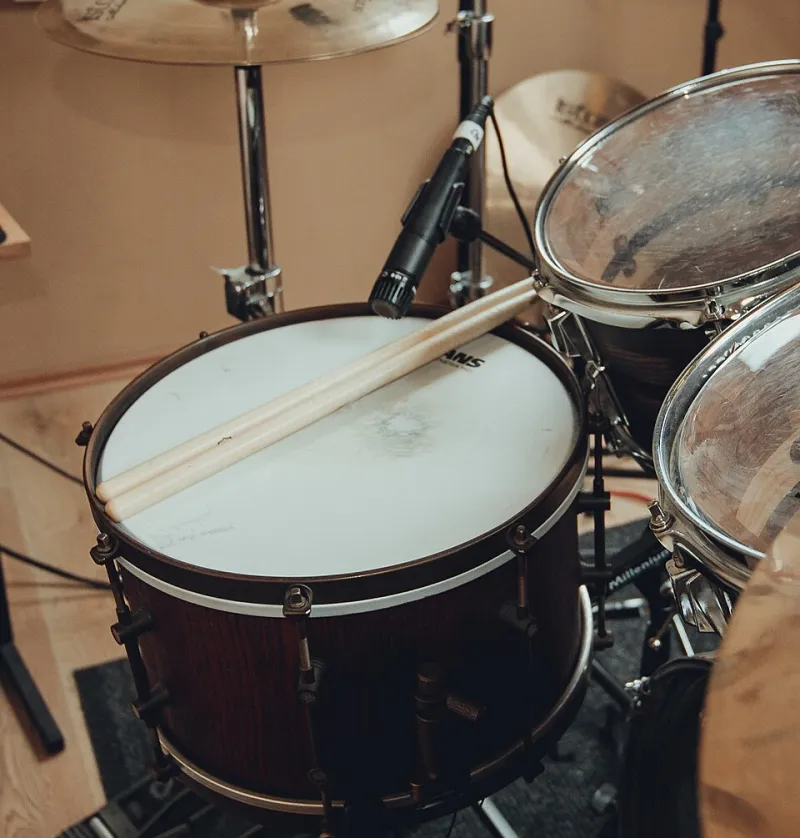
Photo: Shixart1985, CC BY 2.0, via Wikimedia Commons
Not too long ago, getting your music heard meant impressing an A&R rep, signing away a chunk of your royalties, and hoping a major label's marketing machine would do the rest. That world still exists — but it's shrinking fast. In 2024, the most exciting shift in the American music industry isn't happening in some corner office in Midtown Manhattan. It's happening in spare bedrooms, garage studios, and converted closets across the country.
Independent producers and artists are not just surviving outside the traditional system. They're thriving in it — and in some cases, outpacing the labels entirely.
The Gear Gap Is Gone
For decades, the barrier to professional-sounding music was simple: money. A proper recording session at a commercial studio could cost thousands of dollars per day. Mixing and mastering on top of that? Add another few thousand. That financial wall kept countless talented artists on the outside looking in.
That wall has largely crumbled.
Digital audio workstations like Ableton Live, FL Studio, and Logic Pro now give producers access to tools that would have seemed like science fiction to a studio engineer in the '90s — for a few hundred bucks, or even a monthly subscription. Plugins from companies like iZotope, Waves, and Native Instruments put world-class compression, EQ, and synthesis in the hands of anyone with a laptop. And AI-assisted tools are pushing things even further. Platforms like LANDR and Splice's AI features are helping independent artists get professional-grade masters and find sample inspiration without needing a seasoned engineer in the room.
The playing field isn't perfectly level yet, but it's closer than it's ever been.
Real Artists, Real Results
The proof isn't just theoretical — it's showing up on the charts.
Take Dominic Fike, who was recording in his bedroom in Naples, Florida, before his EP Don't Forget About Me, Demos caught the attention of millions online. Or consider Ethel Cain, whose sprawling, cinematic debut Preacher's Daughter was largely self-produced and self-released before it became one of the most critically acclaimed albums of 2022. These aren't flukes. They're signals.
On the hip-hop side, producers like Chxrry22 and F1lthy built reputations entirely through online communities, Soundcloud drops, and social media before major artists came knocking. Their paths didn't run through a label's A&R department — they ran through Twitter, Reddit's r/WeAreTheMusicMakers, and Discord servers full of other producers trading feedback at 2 a.m.
And then there's the TikTok factor. A single viral moment on that platform has launched careers overnight, completely bypassing the traditional radio and playlist gatekeeping that labels once controlled. Artists like Nicky Youre ('Sunroof') and Tate McRae built massive audiences through organic content before the major label machinery even had time to respond.
The Economics of Going Independent
Here's where things get really interesting for producers who are doing the math.
Under a traditional major label deal, an artist might receive anywhere from 15% to 25% of royalties — after recouping advances, of course. With distribution platforms like DistroKid, TuneCore, or UnitedMasters, independent artists keep anywhere from 80% to 100% of their streaming revenue. That's a dramatic difference, especially as streaming payouts — while still a hotly debated topic — continue to accumulate at scale.
Beyond streaming, independent artists are monetizing in ways labels never prioritized: Patreon memberships, Bandcamp direct sales, licensing their beats on Airbit or BeatStars, selling sample packs, and building YouTube channels that generate AdSense revenue alongside their music. It's a diversified income model that doesn't rely on a single corporate partner.
For producers specifically, BeatStars has become a genuine marketplace. Some producers are reportedly clearing six figures annually selling beats online — no label, no manager, no middleman.
The Shift in Artist Development
One of the most significant changes in this new landscape is how artists are developing their craft and their brand simultaneously — and doing it publicly.
Traditional label development was a behind-the-scenes process. Artists were polished, packaged, and then presented to the world. Independent artists in 2024 are doing the opposite: they're developing in real time, sharing works-in-progress on social media, inviting fans into their creative process, and building communities around their growth rather than a finished product.
This approach builds deeper fan loyalty. When someone has watched you struggle through your first 50 beats and grow into something genuinely great, they're not just a fan — they're invested. That emotional investment is something a label-manufactured rollout rarely replicates.
Producers like Kenny Beats have mastered this. His 'The Cave' series on YouTube, where he produces tracks in real time with artists, turned his creative process into content — and that content built an audience that transcended any single release.
What the Labels Are Doing About It
To their credit, major labels haven't been completely asleep at the wheel. Many have responded by acquiring independent distributors (Universal acquired Ingrooves, for example), launching artist-friendly deal structures like licensing agreements instead of traditional contracts, and investing heavily in data analytics to identify breakout independent artists earlier.
But there's a tension here. The more accessible music creation becomes, the harder it is for any single entity — label or otherwise — to control the narrative. Labels are increasingly functioning less as gatekeepers and more as service providers for artists who already have leverage.
That's a fundamental power shift, and it's not reversing anytime soon.
What This Means for You
If you're a producer or artist reading this, the message is clear: the tools are there, the platforms are there, and the audience is out there waiting. The traditional pathway to a music career — demo tape, label showcase, development deal — is one option, not the only option.
Building something independently takes patience, consistency, and a willingness to wear a lot of hats (producer, marketer, social media manager, accountant). But the upside — creative control, financial ownership, and a direct relationship with your audience — is something no label deal has ever fully offered.
The bedroom isn't just where the music gets made anymore. For a growing number of artists, it's where the whole business lives. And honestly? That's a pretty exciting place to be.