Split Sheet or Split Dreams: Navigating Credits and Royalties in the Age of Remote Production

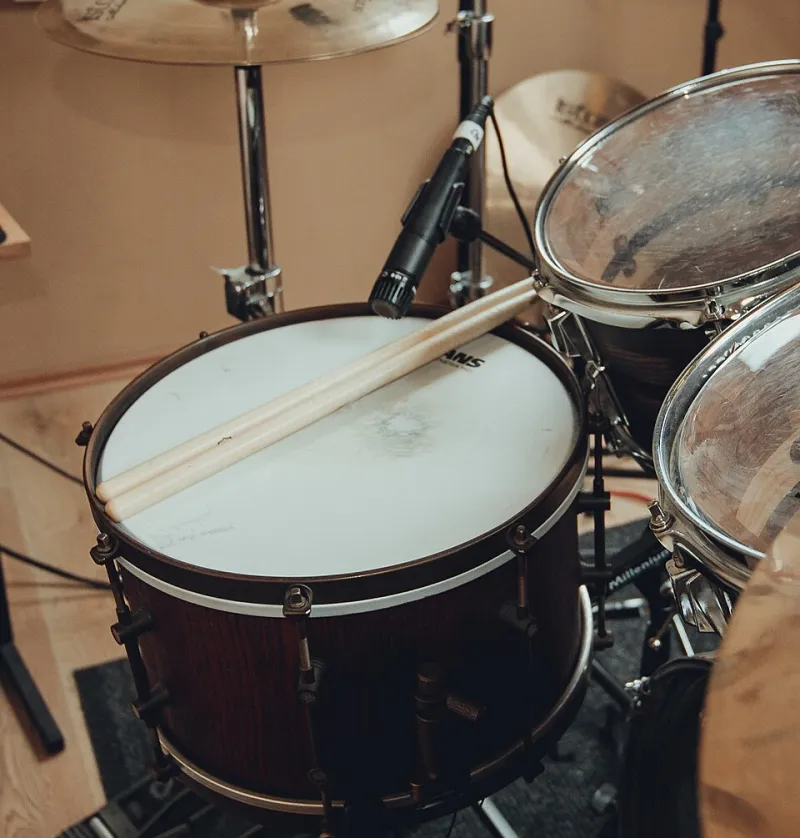
Photo by Photo by Troy T on Unsplash on Unsplash
Let's be real: the modern music session doesn't look like four people crowded around a mixing board anymore. Today, a beat starts in Atlanta at noon, gets layered with synths by a producer in London by midnight, and lands in a vocalist's home studio in Los Angeles by the following morning. The result might be a certified banger — but who actually owns it?
That question is no longer a hypothetical. It's a daily reality reshaping how songwriting credits are assigned, how royalty splits get negotiated, and how publishing deals get structured across an industry that never quite caught up to its own globalization.
The Remote Revolution Changed Everything Except the Paperwork
Platforms like Splice, Sessionwire, and even plain old Google Drive have made file-sharing frictionless. A producer can drop stems into a shared folder, a topliner halfway across the country can add a melody, and a mix engineer in Nashville can polish the whole thing — all without anyone ever being in the same room. That's genuinely incredible for creativity. It's a nightmare for legal clarity.
The core problem is that traditional music contracts were written with a single session in mind: one room, one date, one clear chain of contribution. Remote production blows that model apart. When five people contribute to a track across three countries and two months, figuring out who wrote what — and what percentage of the publishing pie they deserve — becomes a legitimately complex puzzle.
"I've seen situations where someone added a single chord progression at 2 AM, and six months later they're claiming 20 percent of the publishing because there was never a split sheet in place," says one independent music attorney based in Nashville who works primarily with emerging artists. "It happens more than people want to admit."
Real Talk: What Happens Without a Split Sheet
Here's a scenario playing out more frequently than the industry likes to acknowledge. An independent producer in Chicago sends a beat to a singer-songwriter in Austin. They build a track together over a few weeks of back-and-forth voice memos and shared session files. The song blows up on TikTok, gets picked up by a sync licensing company, and suddenly there's real money on the table.
With no written agreement in place, both parties are now subject to copyright law's default position, which in the US basically means joint authorship — a 50/50 split regardless of who contributed more. That might feel fair in some cases. In others, it sparks full-blown legal disputes that eat up whatever earnings the song generated in the first place.
The fix is almost embarrassingly simple: a split sheet signed before the track is finished. This document outlines who contributed what, what percentage each party owns, and how decisions about licensing and distribution get made. It's not glamorous, but it is the single most protective thing a producer or artist can do before they start collaborating.
The Streaming Layer Makes It More Complicated
Signing a split sheet is step one, but the streaming era has added another layer of complexity. Platforms like Spotify and Apple Music pay out royalties through two separate streams — master recording royalties (controlled by whoever owns the recording) and publishing royalties (tied to the underlying composition). Remote collaborators often have rights in both, but they don't always register them correctly.
If you've contributed to the songwriting of a track but you're not registered with a performing rights organization like ASCAP, BMI, or SESAC, you're leaving money on the table. Full stop. PRO registration is free or low-cost, and it's the mechanism through which your share of performance royalties actually finds its way to your bank account.
For producers specifically, it's worth understanding that your beats — if they include original melodic or harmonic content — may qualify as songwriting contributions, not just production work. Getting that recognized in writing, and then registering it properly, can make a meaningful difference in long-term earnings.
Frameworks That Actually Work for Distributed Teams
So what does a functional remote collaboration process look like in practice? A few frameworks have emerged that producers and artists are using to keep things clean:
The Pre-Session Agreement: Before a single file gets shared, both parties agree in writing to the basic terms — ownership percentages, decision-making rights, and what happens if the track gets placed in a film or TV show. This doesn't have to be a 20-page contract. A one-page document with signatures (digital signatures via DocuSign count) is enough to establish intent.
Version-Controlled Session Files: Platforms like Avid Cloud Collaboration and Ableton's Link features allow collaborators to maintain timestamped records of who added what and when. This kind of documentation can be invaluable if a credit dispute ever escalates.
The Publishing Administrator: For producers working at volume — say, five or more active remote collaborations at any given time — bringing in a publishing administrator to handle registration, licensing, and royalty collection is worth the percentage they take. Companies like SongTrust and Songtrust handle global collection for a flat annual fee, which can be a bargain when you're working across multiple territories.
The Credit Culture Shift
Beyond the legal mechanics, there's a cultural shift happening around credit in general. Producers, co-writers, and session contributors are increasingly vocal about wanting proper acknowledgment — not just financially, but publicly. Streaming platforms are slowly improving their metadata infrastructure, but there's still a significant gap between who contributed to a track and who gets listed on it in a way audiences can actually see.
Organizations like the Recording Academy and the Songwriters Guild of America have been pushing for better metadata standards, and some streaming platforms have started surfacing songwriter credits more prominently. But until that infrastructure matures, the responsibility falls on the collaborators themselves to document, register, and advocate for their contributions.
The Bottom Line
Remote production has democratized music creation in ways that are genuinely exciting. The ability to collaborate across time zones, genres, and cultural contexts is producing some of the most interesting music in recent memory. But that creative freedom comes with real administrative responsibility.
Get the split sheet signed. Register with your PRO. Document your session files. And if you're working on something with significant commercial potential, spend the money on a music attorney for a one-hour consultation before you release anything.
The music industry has always rewarded people who understand the business side as much as the creative side. In the remote production era, that's more true than ever.